
Contact Lenses vs Glasses:
Choosing between contact lenses and glasses is a common dilemma for anyone who needs vision correction. Both options have their advantages, and the best choice depends on your lifestyle, eye health, comfort, and personal preferences. Understanding the differences, risks, and benefits of each can help you make an informed decision and maintain healthy eyes.
Daily Use: Comfort and Convenience
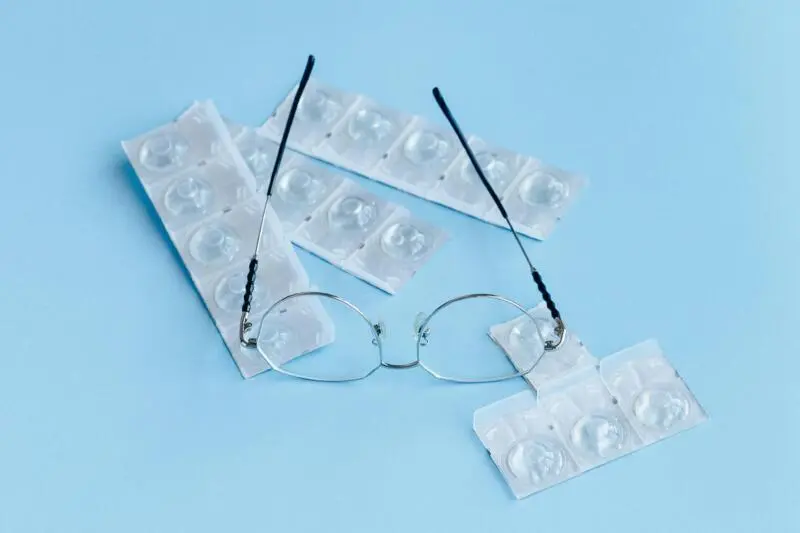

For daily wear, both glasses and contact lenses offer unique benefits. Glasses are easy to put on and remove, require minimal maintenance, and can double as a fashion accessory. They are ideal for individuals who want a hassle-free solution without touching their eyes.
Contact lenses, on the other hand, offer a natural field of vision without frames obstructing your view. They are perfect for active lifestyles, sports, or activities where glasses may slip or become inconvenient. People who prefer a frame-free look often choose contact lenses for everyday wear.
Eye Health Considerations
Your choice of eyewear can impact eye health. Contact lenses, when used correctly, are safe, but they require strict hygiene practices. Improper use or extended wear can lead to irritation, dryness, or even infections. Glasses do not touch the eyes directly and are generally considered a safer option for people with sensitive eyes or certain medical conditions.
Regular eye checkups are important for both glasses and contact lens users to ensure optimal vision and eye health. Discussing your eye history with an optometrist can help determine which option is healthier for your specific needs.
Safety and Risks
Safety is a major consideration when choosing between contacts and glasses. Contact lenses can cause discomfort or infections if not cleaned or replaced properly. People with allergies, chronic dry eyes, or recurring eye infections may need to avoid contact lenses.
Glasses, in comparison, are much safer and pose minimal risk to eye health. They provide physical protection from dust, wind, and accidental impacts while eliminating the need for direct contact with the eyes. For children or individuals new to vision correction, glasses are often recommended first.
Vision Quality and Performance
Contact lenses generally offer superior visual clarity for certain activities. They move with your eyes, providing an unobstructed field of view and eliminating distortions caused by frames. Contacts are especially useful for sports, outdoor adventures, or tasks requiring peripheral vision.
Glasses can provide excellent vision correction as well, but frames can sometimes block side vision. Lenses may also fog up in certain conditions, which can be inconvenient for active users. Choosing the right lens material and coating can improve performance, but the frame will always slightly limit your vision compared to contacts.
Cost and Maintenance
Cost is an important factor in the glasses vs contact lenses debate. Glasses generally have a higher upfront cost but require minimal ongoing expenses. They only need occasional cleaning and adjustments.
Contact lenses may have lower initial costs, but ongoing expenses can add up. Daily, biweekly, or monthly lenses need regular replacement, along with cleaning solutions and storage cases. Proper maintenance is essential to avoid eye infections and ensure the longevity of your lenses.
Flexibility: Switching Between Lenses and Glasses
Many people benefit from using both contact lenses and glasses depending on the situation. Contacts can be used for sports or social events, while glasses can serve as a backup or for relaxing at home. Alternating between both allows your eyes to rest and provides convenience for different activities.
Switching is safe as long as you follow hygiene rules and take proper care of your contact lenses. Having a pair of glasses as a backup ensures you are never without vision correction when needed.
Pros and Cons Summary
Here is a quick comparison of the advantages and disadvantages of contact lenses and glasses:
Contact Lenses Pros:
-
Natural, unobstructed vision
-
Better for active lifestyles and sports
-
No frames to affect appearance
Contact Lenses Cons:
-
Require strict hygiene
-
Can cause dryness or irritation
-
Ongoing costs for lenses and solutions
Glasses Pros:
-
Safe and low-risk for eye health
-
Easy to use and maintain
-
Can be a fashion accessory
Glasses Cons:
-
May obstruct peripheral vision
-
Can fog up or get damaged
-
Less suitable for physical activities
Conclusion: Making the Right Choice for Your Eyes
Choosing between contact lenses and glasses is a personal decision based on comfort, lifestyle, and eye health. Contact lenses offer freedom and natural vision for active users, while glasses provide safety, convenience, and style. Many people find that using both options in combination works best.
Always consult with an eye care professional before making your decision, and follow proper care routines to ensure healthy, comfortable vision. With the right choice, you can enjoy clear eyesight and protect your eyes for years to come.
Frequently Asked Questions
Can contact lenses replace glasses completely?
Contact lenses can replace glasses for most activities, but having a pair of glasses as a backup is recommended for safety and convenience.
Are glasses better for children than contact lenses?
Yes, glasses are generally safer for children because they are easier to manage and pose minimal risk to eye health.
How often should contact lenses be replaced?
Replacement depends on the type of lenses. Daily lenses are replaced each day, while biweekly or monthly lenses should be replaced according to the manufacturer’s instructions.
Is it safe to wear contact lenses overnight?
Sleeping in contact lenses is not recommended unless specifically prescribed for overnight use, as it increases the risk of eye infections.
Leave a Comment